Little Wandle
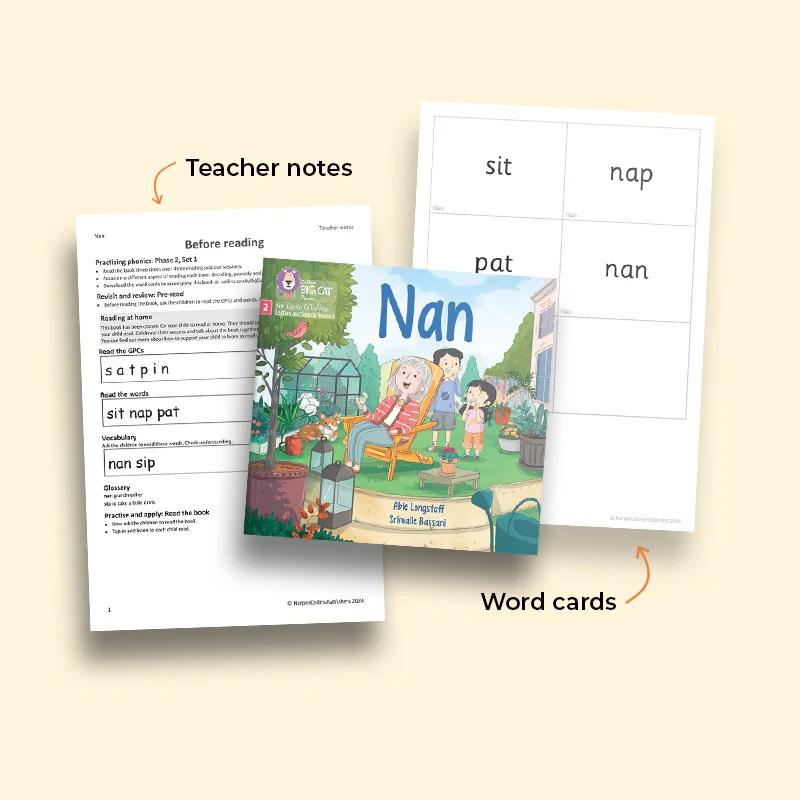
At Sutton-on-Sea Community Primary School we use a government validated phonics programme, ‘Little Wandle Letters and Sounds Revised’, in order to deliver a comprehensive a rigorous phonics curriculum. We ensure fidelity to the scheme to embed a consistent approach across Early Years and KS1 and into KS2 where needed. Resources for phonics and reading teaching are matched to the Little Wandle Scheme and are used on a daily basis during phonics and reading sessions.
Early Years
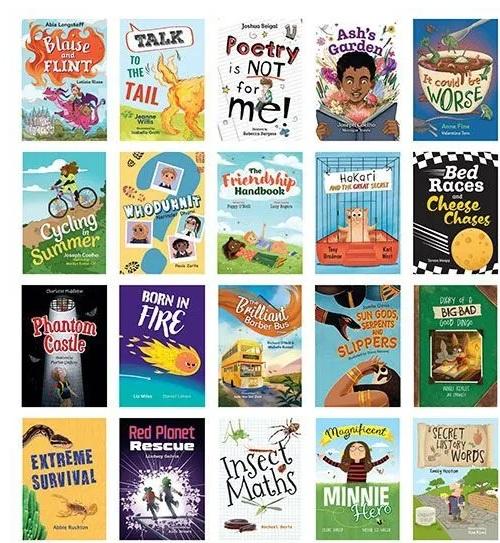
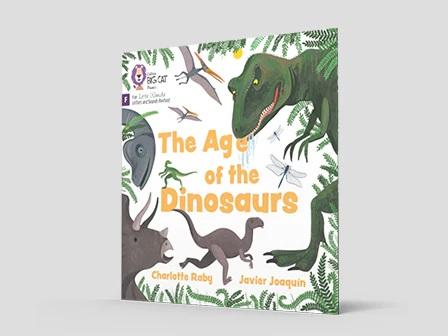
As the children begin their time in Early Years they will continue to work through and consolidate the sounds taught in Phase 2, following the Little Wandle scheme and using resources exclusively to support their learning and provide opportunities for practising and applying their skills. By the end of the Autumn Term children will be moved onto Phase 3, continuing to learn through the Little Wandle scheme as they move into the Phase 4 part of the scheme towards the end of the Summer Term. In addition to daily phonics sessions the children take part in reading sessions delivered by practitioners using books from the Little Wandle scheme that are phonetically matched to the children’s abilities. We promote love of reading in EYFS by enabling the children to choose a picture book from our collection to take home alongside their phonically decidable text so that parents can read books of high interest to their children. Parents are encouraged to read and re-read the texts during the week so that the children can beome familiar with the stories and learn repeated and key words and phrases and join in.
Year 1 & 2
Children continue to follow the Little Wandle Letters and Sounds programme throughout Year 1 & 2 and build upon phonic knowledge acquired by children since Early Years. Children are also prepared for the Phonic Screening Check in the Summer term of Year 1. Children who do not pass the phonics screening continue to cover aspects of phases 2,3,4 & 5 as well as move onto further phases with the aim of passing by the end of Year 2. In addition to daily phonics sessions the children take part in reading sessions delivered by trained members of staff using books from the Little Wandle scheme that are phonetically matched to the children’s abilities. Word reading, prosody and comprehension are explicitly taught through these sessions.
Key Stage 2
In Year 3, children continue to work through Little Wandle Letters and Sounds scheme with discrete phonic lessons being taught to differentiated groups allowing diagnostic teaching to take place to meet all children’s phonic abilities. Once all children have confidently secured knowledge in Phase 5, they then continue to focus on learning spelling, grammar and punctuation using our Active English and Active Spelling programmes. Once children no longer need to practise reading using phonically decodable texts, they continue to build fluency using the Little Wandle fluency books. These enable them to continue to focus on skills such as speed, noting punctuation as they read, intonation, stamina and continuing to develop a passion and love for reading. These skills also help them to understand what they read. Children in KS2 are also explicitly taught the skills of reading fluently and comprehension through John Murray's Reading Explorer's Reading Scheme.
Intervention
Throughout school, from Early Years, we use diagnostic teaching to support those who are may have differing phonological awareness. ‘Keep Up’ sessions included in the Little Wandle scheme are implemented on a daily basis to support children who may need additional blending practice. Intervention also includes precision teaching to ensure that all children develop secure phonic knowledge to allow them to access a language rich world. We also use the Rapid Catch Up intervention for children in Y2 and above who have not yet secured phonic knowledge and the Little Wandle SEND intervention materials when appropriate. As the children become more accurate in their reading, we provide additional support where required using John Murray's Reading Rocketeers Scheme which ficuses on developing literal comprehension, breadth of vocabulary and the skills of inference and deduction.We also provide intervention using the Language for Thinking Programme, specifically designed to help children to develop inferential skills, looking for language and using pictures to help them.

|
Guidance for Excellence in Book Talk at Sutton on Sea CP School | [pdf 154KB] |

|
|
|
Reading Progression Document | [pdf 313KB] |
|
|
|
Phonics Progression Document | [pdf 567KB] |
|
|
|
Foundations in Phonics | [pdf 468KB] |
|
|
|
Phonics and Early Reading Policy | [pdf 228KB] |
|